

●Time required Approx. 40 minutes
●Operation time 11:00 a.m.–2:00 p.m. (Reservation required)

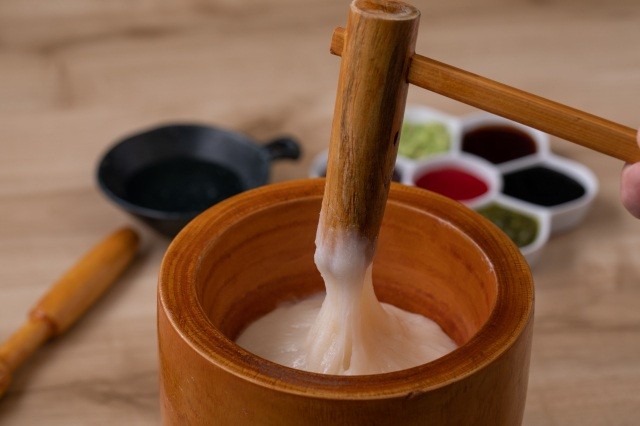
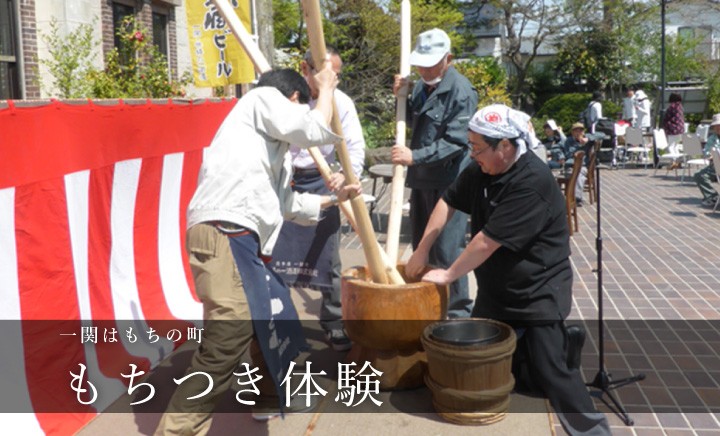
①Experience the warmth of traditional mochi culture, refined over generations through care and ingenuity.
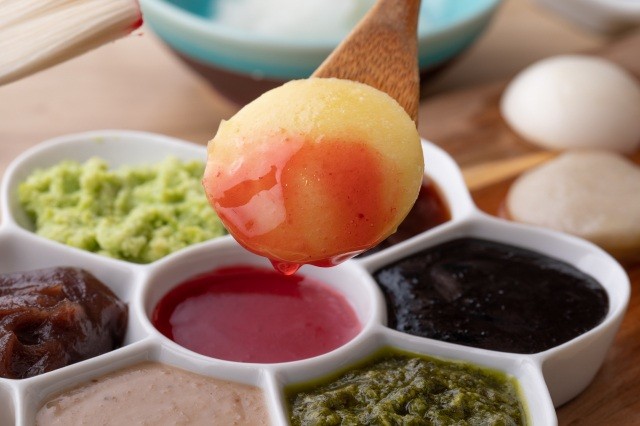
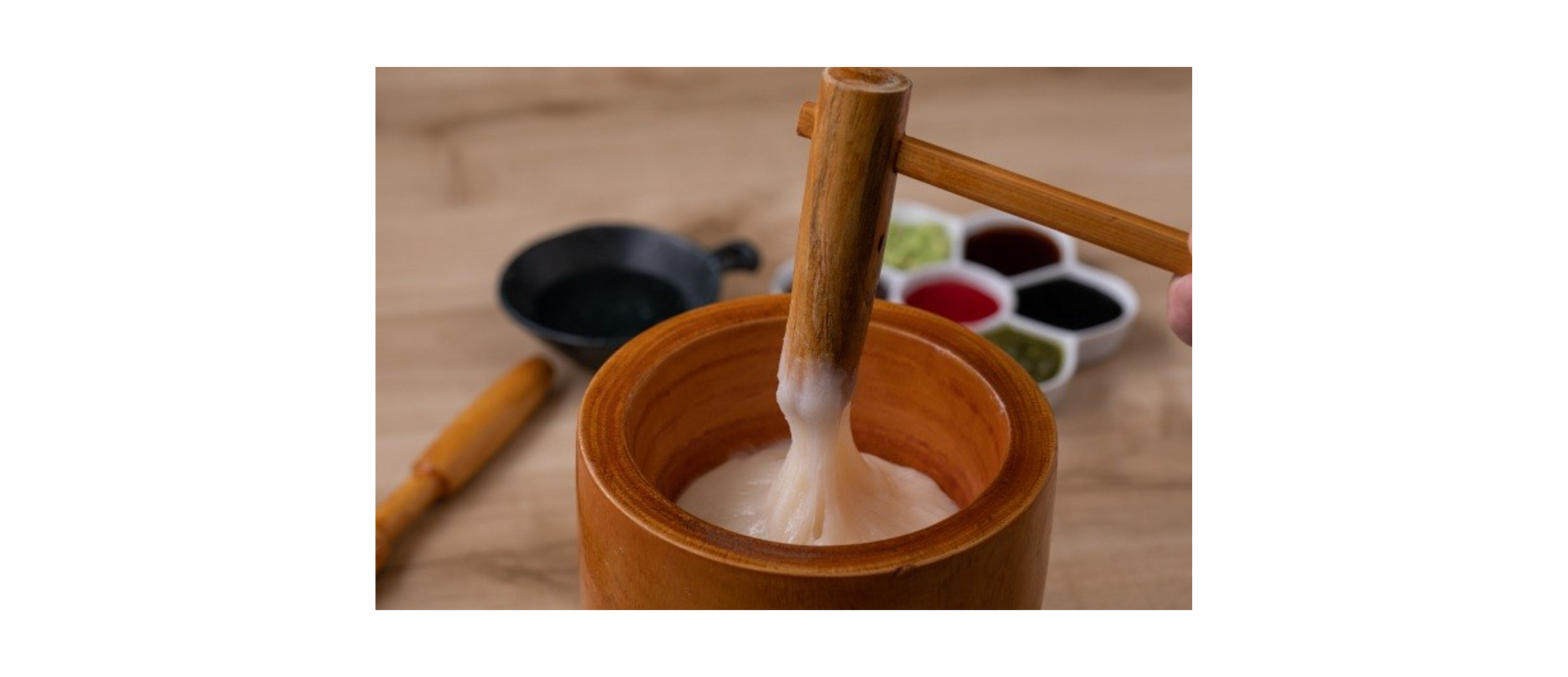
②Pound traditional mochi with locally grown glutinous rice! Taste it freshly pounded with five types of sauces.
②Pound traditional mochi with locally grown glutinous rice! Taste it freshly pounded with five types of sauces.

| 11:00 | Mochi pounding experience starts with a gentle lecture.Mochi is ready! Enjoy freshly pounded mochi. |
|---|---|
| 11:40 | Experience ends *Example schedule for an 11:00 a.m. start. The same time allocation applies to other start times. |